One campaign for every offer
Performance Max or Search campaigns lumped together across products, so high-intent queries subsidize spend on keywords that were never going to convert.


We run Search, Shopping, and Performance Max with shared budget logic, a fixed testing calendar, and tracking that still works after cookie loss. You see what each rupee returned, and what we are cutting because of it. As a google ads marketing agency, the account structure changes based on what you're selling: a real estate account and an EdTech account should never share the same campaign logic.

Most google ads marketing agency retainers run Search and Performance Max with one template whether you sell apartments or certification courses. Google Ads for real estate and EdTech need different keyword logic, landing pages, and conversion definitions, and a shared account makes both underperform.
We structure campaigns around category-specific intent, fix tracking before scaling spend, and report on pipeline outcomes your team can reconcile with CRM data.
Before we start
Four patterns we hear on almost every first call with a Google Ads client, and usually more than one is happening at once.
Performance Max or Search campaigns lumped together across products, so high-intent queries subsidize spend on keywords that were never going to convert.
Conversion actions that double-count form fills, miss calls, or drop after cookie changes, so optimization decisions are based on numbers finance will not trust.
Underperforming ad groups keep spending because nobody has documented which queries, assets, or audiences to pause on a fixed schedule.
Search, Shopping, and Performance Max run with separate rules and no shared learning, so budget fights itself across campaign types.

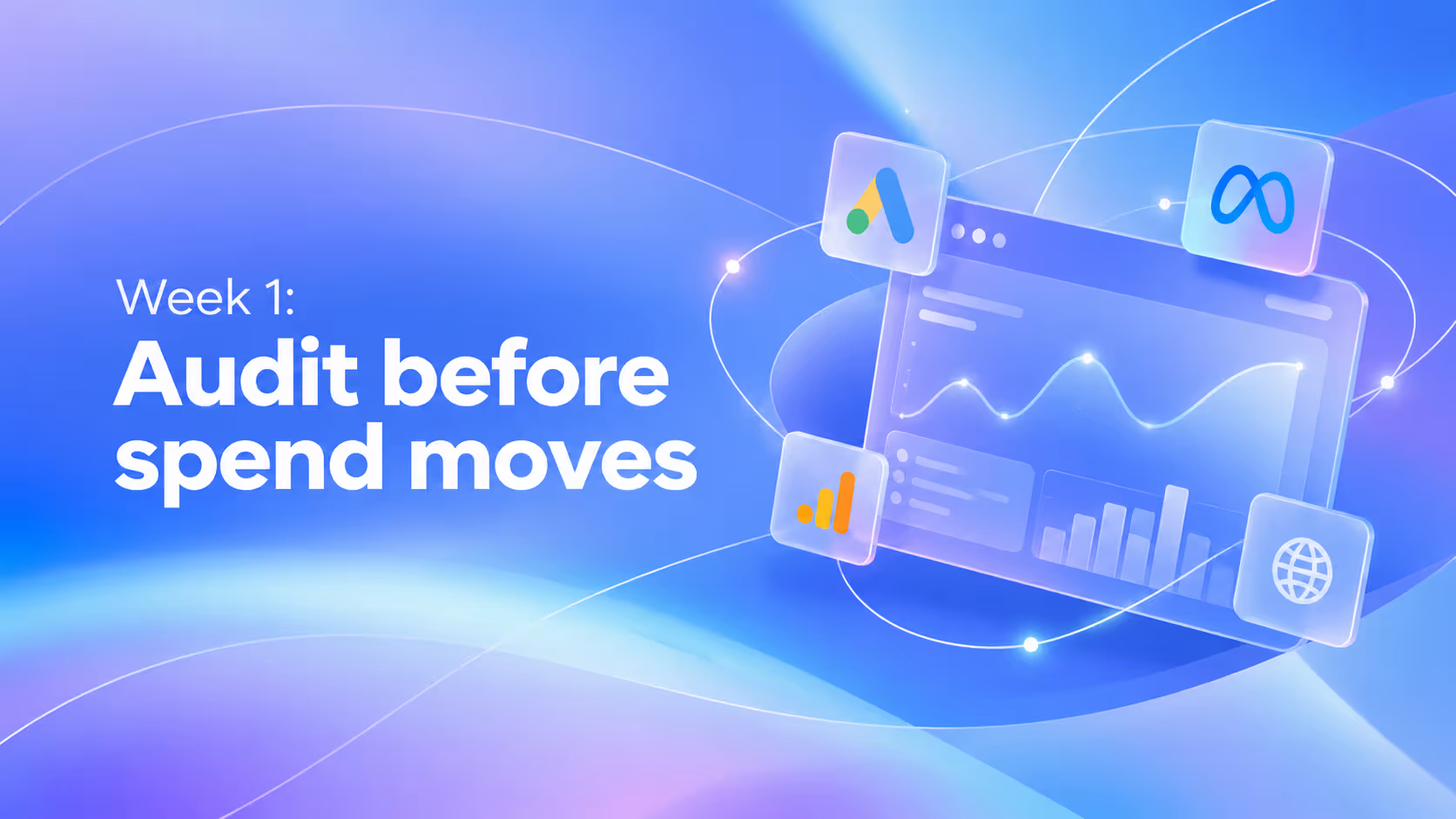
Week 1
Full account, pixel, and conversion access
Week 2
Restructured campaigns and asset groups, one per project or course rather than shared

Week 3–8
Weekly creative and audience experiments

Ongoing
Budget shifts tied to cost per result and, where relevant, seasonal demand windows

Most agencies run one Performance Max campaign labeled "Properties" and call it done. Here's what we do instead, and why it matters:

EdTech accounts need structure that matches how students actually decide, not one generic enroll campaign.
We work as a google ads marketing agency for:

Developers and brokers who need Google Ads for real estate structured by project and locality, not one broad Properties campaign in Performance Max

EdTech platforms and course providers who need Google Ads for EdTech split by decision stage, with tracking on demos and enrollments, not form fills alone
Teams comparing google ads marketing agency options on actual account performance: ask any shortlisted partner for a live dashboard, not a case study PDF

Anyone who wants paid Search and Performance Max coordinated with organic search, not two teams on different keyword lists. See our real estate SEO and EdTech SEO pages for the organic side.
The work
Here is what your Google Ads retainer ships and what we review with you every week: account structure, asset tests, and reporting tied to outcomes, not dashboard vanity metrics.
Search, Shopping, and Performance Max from a google ads marketing agency that builds differently for real estate and EdTech.
Google Ads services structured by offer, funnel stage, and intent, with Performance Max asset groups separated by project or program where it matters.
Server-side and event-level tracking verified before scale, plus a fixed weekly test calendar for copy, assets, and landing pages.
Cost-per-acquisition and pipeline metrics in a live dashboard, with weekly review against a written kill list and scale rules.
Clientele
EdTech and real estate brands work with us long term because we align on outcomes, not vanity metrics.


We work best with brands spending 3 lakh rupees a month or more. Below that there is not enough data to test against, and your money goes further on one channel run in-house.
You do. We work inside your accounts with our own user access. If we part ways, you keep every campaign, audience, and pixel.
First campaigns are live in two to three weeks. A meaningful read takes another four to six weeks, because enough conversions are needed to trust the numbers.
Google's automation optimizes within whatever boundaries you give it. One shared asset group means Google picks a winner between your own projects or courses and starves the rest, so separate asset groups let each one compete on its own merits.
Yes, paid and organic can be coordinated under one keyword strategy through our real estate SEO and EdTech SEO services rather than run by two disconnected teams.